
Bimetal Variable TPI Reference Table
Starting ranges by contact length. Confirm TPI with the blade manufacturer’s chart, material and changing tooth engagement.
| Variable TPI | Contact length (mm) | Example application |
|---|---|---|
| 10/14 | 0–20 | Thin-walled tubes and short contact lengths |
| 8/12 | 10–30 | Light structural sections |
| 6/10 | 20–50 | Medium profiles and smaller solids |
| 5/8 | 30–60 | Medium solid bars |
| 4/6 | 50–100 | Larger solid sections |
| 3/4 | 80–170 | Large solid workpieces |
| 2/3 | 150–300 | Very large solid stock |
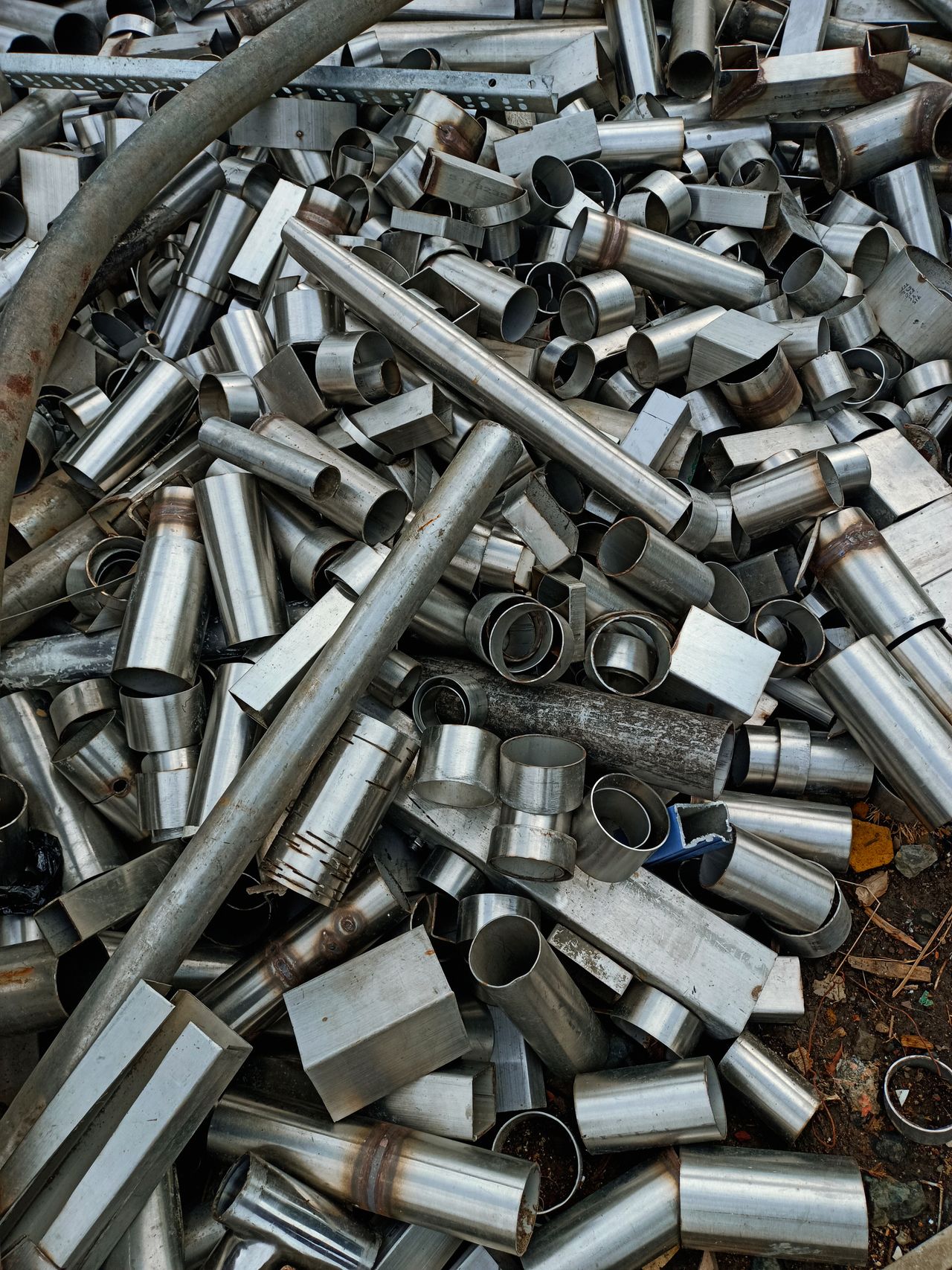
Selection note: Tube walls, bundles and profiles change tooth engagement during a cut. For aluminium and other chip-forming materials, confirm chip clearance and pitch with the blade maker; do not choose from material name alone.
Carbide-Tipped (TCT) Blade Checks
Consider TCT where the material, machine and manufacturer data justify it. Do not apply the bimetal TPI table to carbide blades.
| Check | What matters |
|---|---|
| Material | Exact alloy and hardness |
| Machine | Permitted blade dimensions and speed range |
| Tooth geometry | Manufacturer-specific TCT pitch and tooth form |
| Application | Solid, profile or interrupted cutting |
Bimetal Blade Construction
Compare tooth grades, pitch and blade fit before buying.
Speed Unit Converter
Convert blade speed between SFM and m/min. Use manufacturer data to select operating settings.