Quick guide: choose by the job
Everyday steel: Start by checking M42 bimetal options and suitable TPI.
Large solid bars: Check tooth pitch, rake and chip removal against manufacturer guidance.
Tubes, profiles and bundles: Check variable pitch, vibration and changing tooth engagement.
Hard or abrasive materials: Compare application-specific bimetal and carbide options.
First check: Blade length, width and thickness must fit your machine.
1. Bimetal Blade Construction and Selection
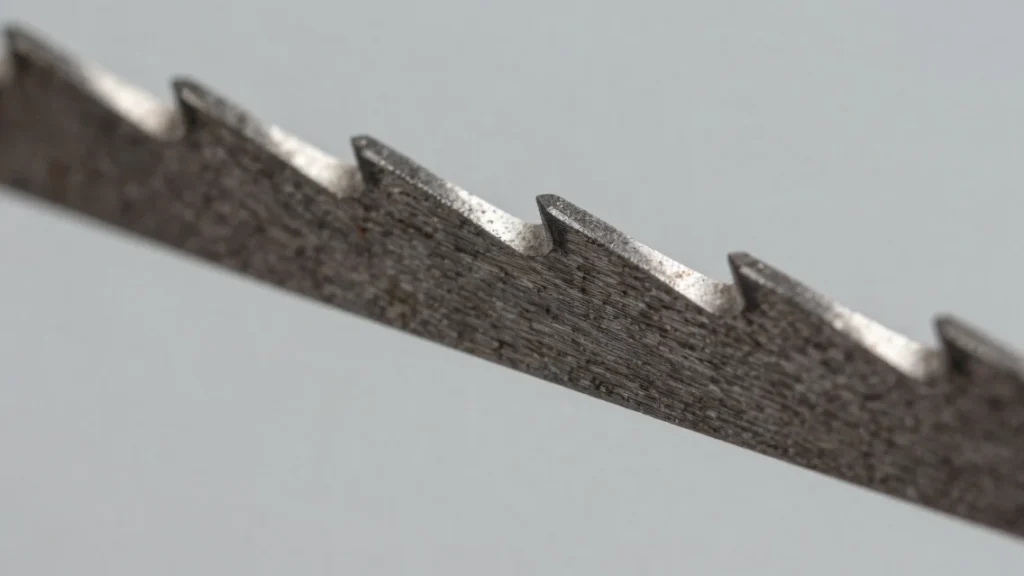
A bimetal blade combines a flexible backing with high-speed-steel teeth. M42 and M51 identify different HSS grades; neither name alone specifies tooth geometry, coating or machine compatibility. Check the exact manufacturer’s data sheet rather than inferring performance from cobalt percentages or a universal hardness figure.
2. Starting TPI Ranges — Verify with the Blade Manufacturer
These indicative variable-pitch ranges are adapted from WIKUS blade selection guidance. Contact length means the blade’s engagement with the workpiece; it is not a universal substitute for tube wall thickness. Overlapping ranges are intentional. Confirm the tooth form, material, machine and exact blade with the manufacturer.
| Variable TPI | Contact length (mm) |
|---|---|
| 10/14 | 0–20 |
| 8/12 | 10–30 |
| 6/10 | 20–50 |
| 5/8 | 30–60 |
| 4/6 | 50–100 |
| 3/4 | 80–170 |
| 2/3 | 150–300 |
For tubes, profiles and bundles, engagement changes during the cut. Use the manufacturer’s shape-specific selection method. Blade length, width and thickness must also match the machine; a suitable TPI does not establish dimensional compatibility.
3. Breaking In a New Blade
Use the instructions for the exact blade and material. For example, Starrett varies the reduced feed and break-in cutting area by material. A fixed 15-minute rule is not suitable for every application, and this guide does not claim a measured percentage increase in blade life.
Starrett: Why and How to Break-In Band Saw Blades
4. Before Choosing a Marketplace Blade
Match blade length, width and thickness to your saw first. Then check tooth pitch, workpiece shape, material and the exact manufacturer’s specifications. Marketplace descriptions are not independent test results; confirm the selected variant before ordering.
5. Blade Options — Marketplace References
Affiliate disclosure: As an Amazon Associate, we earn from qualifying purchases at no additional cost to you. The links below are marketplace references, not evidence of independent testing.
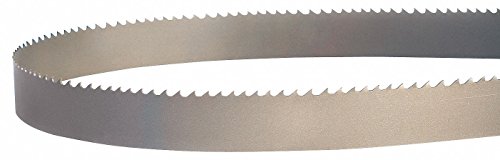
Lenox 1792737 Classic Pro Vari-Raker Band Saw Blade
162″ × 1″ × 0.035″ (5-8 TPI). Listed bimetal blade; confirm tooth geometry and suitable materials in the manufacturer data sheet.

2 Pack 93″ Bimetal M42 Metal Cutting Blades
93″ × 3/4″ × 0.035″ (5/8 TPI). M42 tooth grade is stated in the listing; confirm the exact specification and machine fit.
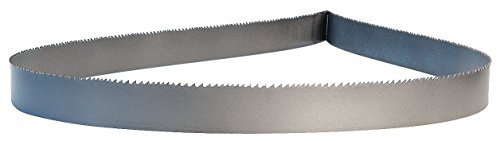
Lenox Classic Tuff Tooth Vari-Raker Blade
Exact dimensions, TPI and tooth geometry must be confirmed against the current listing and LENOX product code before purchase.
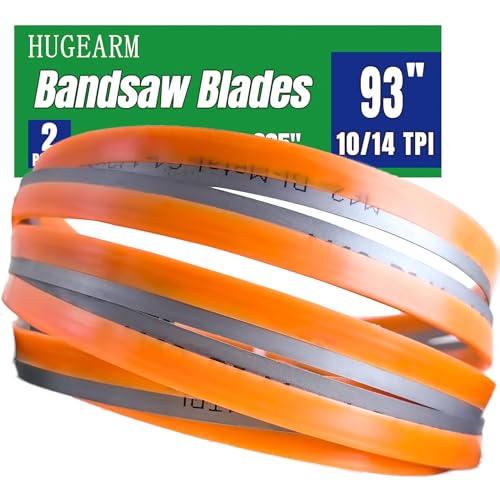
93″ M42 Metal Cutting Blades (10/14 TPI)
93″ × 3/4″ × 0.035″ (10/14 TPI 2-Pack). Fine variable pitch may suit thin-wall profiles; verify engagement and the manufacturer’s guidance.
Related Guides and Sources
Blade selection hub · Speed unit converter · Tooth damage troubleshooting
Sources: WIKUS Blade Selection; WIKUS Technical FAQs; Starrett Break-In Guidance. Reviewed 10 October 2026. General reference only; follow the machine and blade manufacturer’s instructions.